
Quick Answer
Losing more than 2% of body mass in fluid cuts aerobic endurance by about 10–20%, and strength can fall up to 5% near a 3% deficit. The winter trap: cold blunts your thirst by roughly 40% while you keep losing water through breathing and urination — so cold-weather dehydration is as real as summer’s. Drink on a schedule year-round, not just when you feel thirsty.
Hydration advice usually shows up in July and disappears in December. That's backwards for a place like Prince George, where winter is longer than summer and quietly more dehydrating than people expect. Here's the year-round version, with the numbers that actually matter.
What dehydration costs you — measured
This isn't a vague "drink more water" pitch. The performance drop is quantified:
- Endurance: dehydration above 2% body-mass loss reduces aerobic endurance by roughly 10–20%, and aerobic capacity falls about 3–7% for every 1% of body mass lost.[1]
- Strength: maximal strength is more resistant — under about 3% change with mild-to-moderate dehydration — but near a 3% body-weight deficit, strength can drop by up to 5%.[2]
- Brain and mood: cognitive and mood changes can appear at a 1–2% deficit, often before you notice physical fatigue.[1]
Translation: by the time you feel thirsty and sluggish, you've already given back a measurable chunk of your session.
The winter trap nobody warns you about
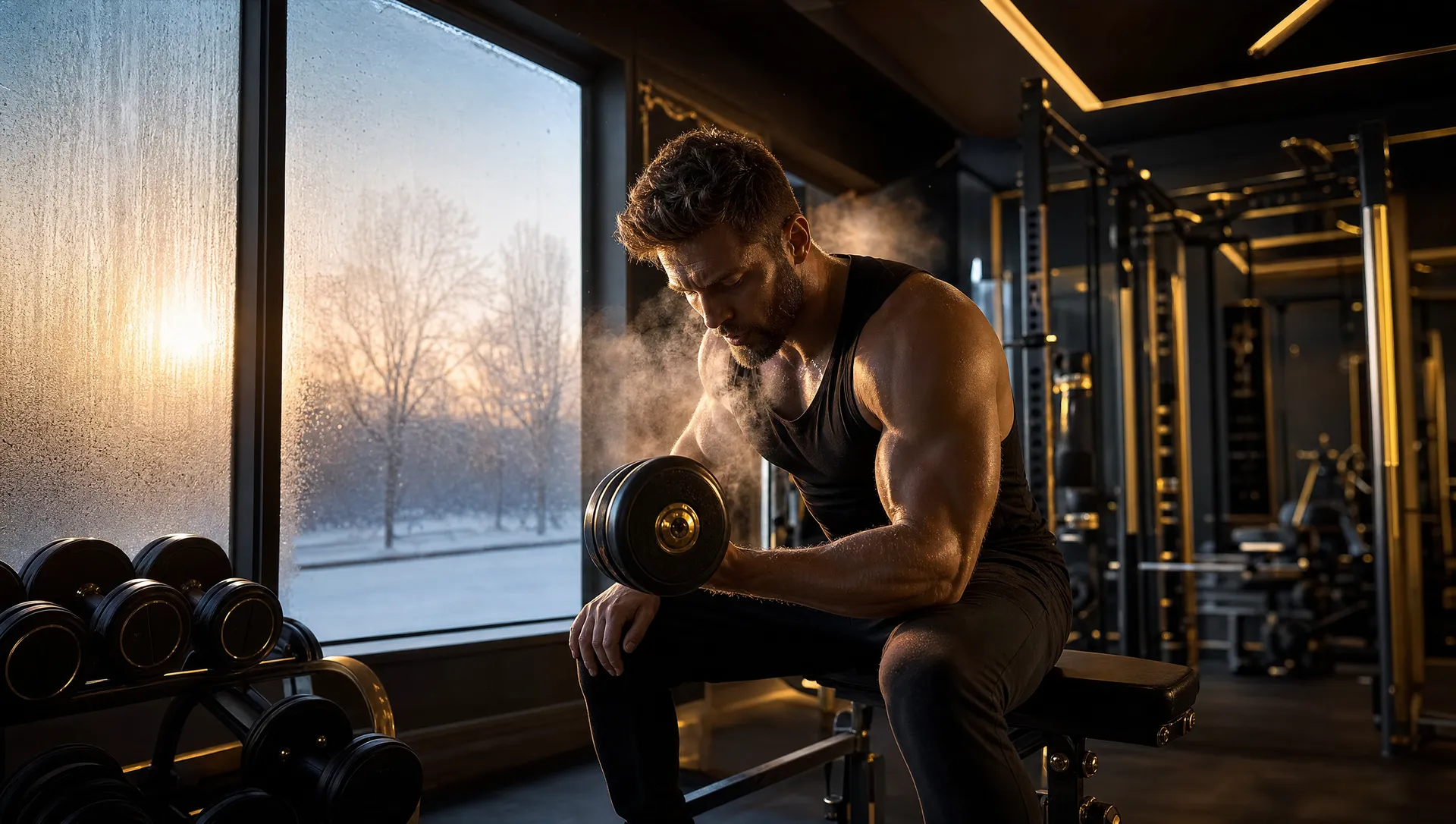
Here's the part that catches lifters off guard. Cold suppresses the thirst response by approximately 40%, while your body keeps losing fluid at normal rates.[4] Two cold-weather losses pile on: respiratory water loss — the visible vapour when you can see your breath is fluid leaving your body — and cold-induced diuresis (you urinate more in the cold). Per NCBI, in cold climates body-fluid losses can be similar to those in hot environments, driven by sweating, increased respiratory loss, and that cold-induced urination.[3]
In winter, thirst is an unreliable gauge. You can be meaningfully dehydrated and not feel like drinking at all.
A simple year-round protocol
| When | What to do |
|---|---|
| Before | Arrive topped up. Don't start a session planning to "catch up" later. |
| During | Small, regular sips beat one big bottle at the end. |
| After | Rehydrate deliberately, especially after sweaty or long sessions. |
| Long / sweaty | Add electrolytes, not just water. |
| Winter | Drink on a schedule — thirst won't remind you reliably. |
Bottom line
Dehydration has a measurable price in endurance, strength, and focus — and Northern BC charges it in every season, not just summer. The fix is boring and effective: hydrate before, during, and after, lean on electrolytes when you're sweating hard, and in winter drink by the clock instead of waiting for a thirst signal that's been turned down by 40%.
Frequently asked questions
How much dehydration hurts your workout?
Losing more than 2% of body mass in fluid reduces aerobic endurance by roughly 10–20%, and aerobic capacity falls about 3–7% for each 1% of body mass lost. Cognitive and mood effects can show up even earlier, at a 1–2% deficit.
Does dehydration reduce strength?
Mild-to-moderate dehydration changes maximal strength less than aerobic performance — under about 3% change — but at roughly 3% body-weight loss, strength can drop by up to 5%.
Can you get dehydrated in winter?
Yes, and most people underestimate it. Cold suppresses the thirst response by roughly 40% while your body keeps losing fluid through respiratory loss (the vapour you see when you breathe) and cold-induced urination. In cold climates, fluid losses can rival those in hot environments.
How much should I drink around a workout?
Arrive hydrated, sip regularly during training rather than chugging at the end, and rehydrate after. On long or very sweaty sessions, add electrolytes — not just water. In winter, drink on a schedule because thirst won’t reliably remind you.
Train Indoors, Year-Round
Climate is no excuse at Gold's Gym PG
21,000 sq ft of climate-controlled training floor — heat wave, smoke, or −20°C, your session doesn't change.
Claim a Free Guest PassMore Training Insights
View all →

Sources
- M1 Performance Group — How Dehydration Affects Mental & Physical Performance
- InBody — How Dehydration Affects Your Body Composition (strength effects)
- NCBI — Influence of Cold Stress on Human Fluid Balance
- Wellspring Health — Winter Hydration: Why You’re More Dehydrated Than You Think
This article is general educational information, not medical advice. Talk to a qualified professional before changing how you train, especially with a heart, lung, or other medical condition.