
Quick Answer
Below AQI 100, outdoor training is generally fine. Between 101 and 150, scale back hard efforts. At AQI 150 and above, move your session indoors into filtered air. Exercise pulls fine smoke particles (PM2.5) deeper into your lungs than rest does, so the AQI number — not how the sky looks — should make the call.
If you train in Prince George, you know the drill: a few weeks every summer the sky over the Nechako and Fraser turns flat orange-grey and the air smells like a campfire that won't end. Wildfire smoke is part of life in the BC interior now. The question isn't whether it shows up — it's what you do with your training when it does.
What's actually in wildfire smoke
The component that matters for athletes is PM2.5: particulate matter smaller than 2.5 microns. These particles are small enough to travel deep into the lungs rather than getting caught in the upper airway. Per Colorado State University's College of Health and Human Sciences, PM2.5 exposure can inflame lung tissue, damage blood vessels, and worsen existing cardiovascular conditions.[1]
That's the effect at rest. For anyone training, exercise makes it worse — not better.
Why exercise multiplies the damage
When you train hard you move far more air, and you tend to breathe through your mouth, bypassing the nose's natural filtration. More smoke reaches deeper into the lungs, faster. Reporting in Outside on particulate research notes that short-term high-PM2.5 exposure produced measurable platelet activation — an inflammatory response — during exercise but not at rest.[2] In plain terms: the same smoky air does more harm when you're working out in it than when you're sitting still.
That's the part most people miss. "It doesn't look that bad" is not a standard. The number is.
The AQI thresholds that decide your session
The Air Quality Index is the simplest tool you have. Here's a practical reading for training, drawn from athlete-focused guidance:[3]
| AQI | Category | What to do training-wise |
|---|---|---|
| 0–50 | Good (green) | Train outside freely. |
| 51–100 | Moderate (yellow) | Generally fine. Very sensitive individuals may notice symptoms near 100. |
| 101–150 | Unhealthy for sensitive groups (orange) | Scale back — easier efforts, shorter exposure, or move indoors. Where careful athletes start adjusting. |
| 151+ | Unhealthy and up (red+) | Limit prolonged exposure, especially hard efforts. Move the session indoors. |
A simple rule for quality work: keep hard sessions under AQI 100. If you're chasing a heavy squat PR or a brutal conditioning piece, you want clean air in your lungs, not smoke.
How to actually check it in Prince George
Don't eyeball the sky — check the data. PM2.5 is the number to watch first.[2] Pull up your local monitor: official government air-quality readings for Prince George, plus crowd-sourced sensor networks that fill in neighbourhood-level gaps. Check it right before you leave, because smoke conditions can swing hard hour to hour as the wind shifts.
What to do on a smoke day
When the AQI climbs into the orange and red, the two bad options are gutting out a hard outdoor effort or skipping training entirely. The third option is the right one: move the session into filtered, climate-controlled indoor air and train exactly as planned. An indoor facility removes the air-quality variable from the equation — the workout you planned is the workout you get, on the worst smoke day of the summer.
Bottom line
Wildfire smoke is a real, recurring training variable in Northern BC — treat it like one. Check PM2.5, respect the AQI thresholds, keep hard efforts in clean air, and when the number climbs, move inside instead of pushing through. Your lungs are doing enough work already.
Frequently asked questions
Is it safe to exercise in wildfire smoke?
Light activity is generally fine below AQI 100. Above AQI 150, avoid prolonged or hard outdoor effort — fine particulate (PM2.5) reaches deeper into your lungs during exercise because you breathe harder and more through your mouth. On high-AQI days, train indoors in filtered air instead.
What AQI is too high to work out outside?
Keep hard sessions under AQI 100. At AQI 101–150 sensitive groups should scale back; at 150 and above, anyone doing intense effort should limit outdoor exposure and move the session indoors.
Why is exercising in smoke worse than just being outside?
During exercise you move far more air and tend to breathe through your mouth, bypassing the nose’s filtering. Research reported in Outside found high PM2.5 exposure produced measurable platelet activation — an inflammatory response — during exercise but not at rest.
How do I check air quality in Prince George before training?
Check PM2.5 first using official government air-quality readings for Prince George plus crowd-sourced neighbourhood sensor networks. Conditions swing hour to hour with the wind, so check right before you head out — don’t judge by how the sky looks.
Train Indoors, Year-Round
Climate is no excuse at Gold's Gym PG
21,000 sq ft of climate-controlled training floor — heat wave, smoke, or −20°C, your session doesn't change.
Claim a Free Guest PassMore Training Insights
View all →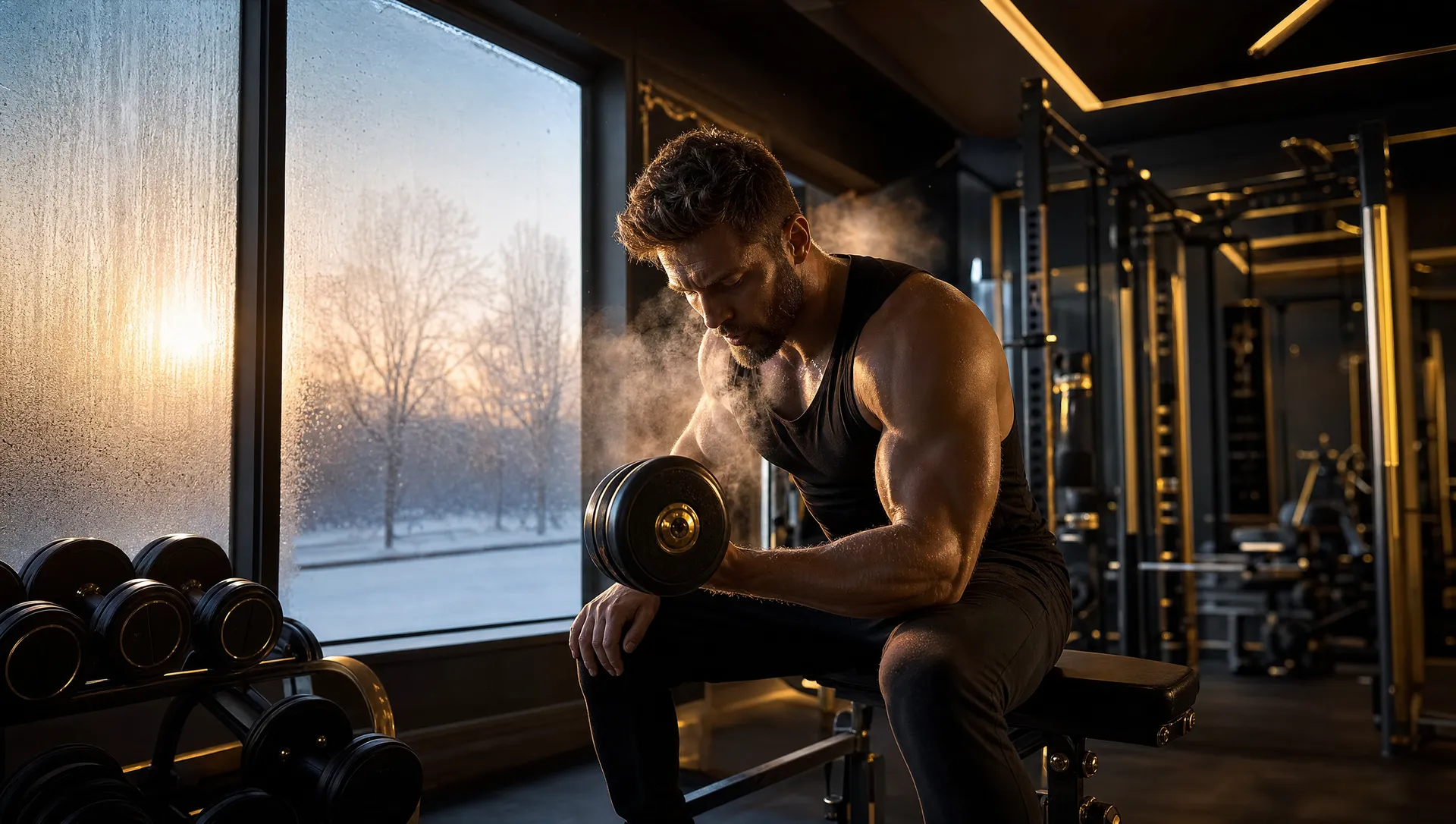

Sources
- Colorado State University, College of Health and Human Sciences — Is it safe to exercise outside when there is wildfire smoke in the air?
- Outside — What to Know About Air Quality When Exercising Outdoors
- GU Energy Labs — The AQI Dilemma: Is it Safe to Exercise?
This article is general educational information, not medical advice. Talk to a qualified professional before changing how you train, especially with a heart, lung, or other medical condition.